
Minelab Manticore: Complete 2026 Buyer’s Guide

If you’re considering the Minelab Manticore, you’re not just browsing casually. This is a serious machine, and most buyers look at it when they’re ready to step into advanced performance.
But here’s the real question:
Is it the right detector for you?
This guide explains everything clearly — from performance and depth to who should buy it (and who shouldn’t). No hype. Just practical insight.
What Is the Minelab Manticore?
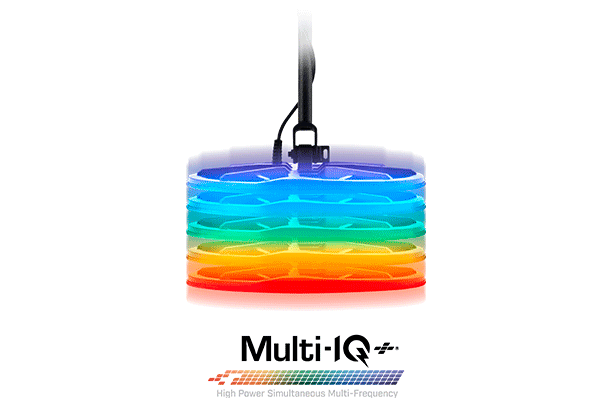
The Minelab Manticore is one of the most advanced multi-frequency metal detectors currently available. It uses upgraded Multi-IQ+ technology, which allows it to run multiple frequencies at once for improved accuracy and stability.
In simple terms, this means:
- Better depth performance
- Cleaner signal response
- More stable behaviour in mineralised soil
- Improved target identification
Unlike basic machines, the Manticore gives you more information before you dig. That’s what separates premium detectors from entry-level ones.
What Makes It Different?
There are many detectors in the market, but the Manticore focuses on signal clarity and advanced control.
Multi-IQ+ Technology
Instead of using a single frequency, the Manticore processes multiple frequencies simultaneously. This improves:
- Target accuracy
- Soil handling
- Noise resistance
- Depth consistency
This is especially useful in difficult ground conditions and beach environments.
Advanced 2D Target ID
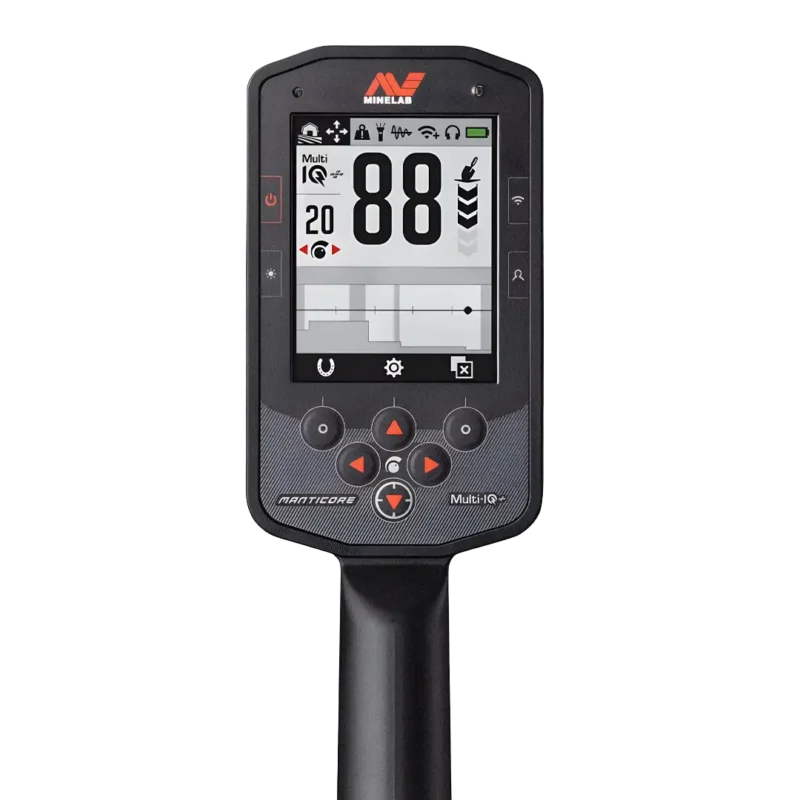
One of the biggest upgrades is the enhanced target trace display.
Most detectors show only numbers. The Manticore adds visual signal behaviour, helping experienced users:
- Recognise junk more easily
- Separate close targets
- Understand signal shape before digging
It doesn’t remove the need for digging — but it improves decision-making.

Fully Waterproof
The Manticore is waterproof up to 5 meters.
That makes it suitable for:
- Beach detecting
- Wet sand
- Shallow water
- Rainy conditions
You’re not limited by weather or terrain.
How Deep Can It Detect?
Depth depends on several factors:
- Soil type
- Target size
- Coil selection
- Sensitivity settings
- User experience
Compared to previous generation models, the Manticore delivers:
- Stronger signal strength at depth
- Cleaner ID stability
- Less signal distortion
But depth alone doesn’t matter.
What truly matters is accurate identification at depth — and that’s where the Manticore performs well.
Is It Good for Gold?
Yes — especially for:
- Gold jewelry
- Larger gold items
- Mixed terrain detecting
For extremely small natural gold nuggets in highly mineralised areas, specialised gold prospecting machines may still perform better.
The Manticore is built as a high-performance all-round detector.
Who Should Buy the Manticore?
This is where many people hesitate.
The Manticore is ideal for:
- Experienced detectorists
- Equinox users upgrading
- Beach hunters
- Coin and relic hunters
- Serious hobbyists
It may not be ideal for:
- Complete beginners
- Casual users
- People who want a simple “turn on and go” operation
This machine rewards users who are willing to learn its settings.
Manticore vs Equinox – Is It Worth the Upgrade?
If you already own an Equinox, you’re probably asking this.
The Manticore offers:
- Stronger processing power
- Enhanced target trace
- Improved noise handling
- More refined ID accuracy
- Better stability in tough conditions
If detecting is a serious hobby for you, the upgrade is noticeable.
If you detect it occasionally, you may not need it yet.
Ease of Use
Out of the box, the Manticore works fine using preset modes.
However, to unlock its full performance, you need to:
- Learn sensitivity adjustments
- Understand ground balance
- Practice reading target trace
- Experiment with settings
It has a learning curve — but that’s expected from an advanced machine.
Real Field Experience
From user experience and observations:
Common beginner mistakes include:
- Sensitivity set too high
- Skipping noise cancel
- Ignoring proper ground balance
- Relying only on ID numbers
Once properly adjusted, the detector feels:
- Lightweight
- Well-balanced
- Comfortable for long sessions
- Stable in challenging ground
Comfort matters more than most people think — especially during long hunts.
Pros and Cons
Pros
- Excellent depth stability
- Advanced multi-frequency performance
- Improved 2D target trace
- Waterproof design
- Modern display
- Solid build quality
Cons
- Higher price point
- Learning curve
- Not beginner-focused
No machine is perfect. The key is choosing what matches your level.
Set-Up Advice for New Owners
If you decide to buy the Manticore, start smart.
- Fully charge the battery
- Use factory preset mode
- Keep sensitivity moderate
- Run noise cancel
- Perform ground balance
- Increase power gradually
Avoid pushing sensitivity to maximum immediately.
Understanding the machine is more important than power.
Maintenance Tips
To protect your investment:
- Rinse the coil after beach use
- Dry completely before storage
- Avoid bending cables tightly
- Store in a dry environment
- Keep firmware updated
Regular care ensures long-term performance.
Final Honest Verdict
The Minelab Manticore is a premium metal detector designed for users who want greater control, clearer audio, and greater stability.
It is not for everyone.
But for experienced detectorists who are serious about long-term performance, it is one of the strongest machines available in 2026. Choose based on your experience level, frequency of use, and willingness to learn — not just features.
Frequently Asked Questions
Is the Minelab Manticore worth it?
Yes, for serious users who want advanced performance and better target clarity. It may be too advanced for beginners.
How deep does it detect?
Depth varies by conditions, but it offers stronger and more stable performance compared to previous models.
Is it waterproof?
Yes. It is waterproof up to 5 meters.
Is it good for beach hunting?
Yes. It performs very well in wet sand and saltwater environments.
Is it suitable for beginners?
Beginners can use it, but it has a learning curve and is better suited for users willing to understand advanced settings.